Essential Self-Defence Skills: Strategies for Self-Defence Success

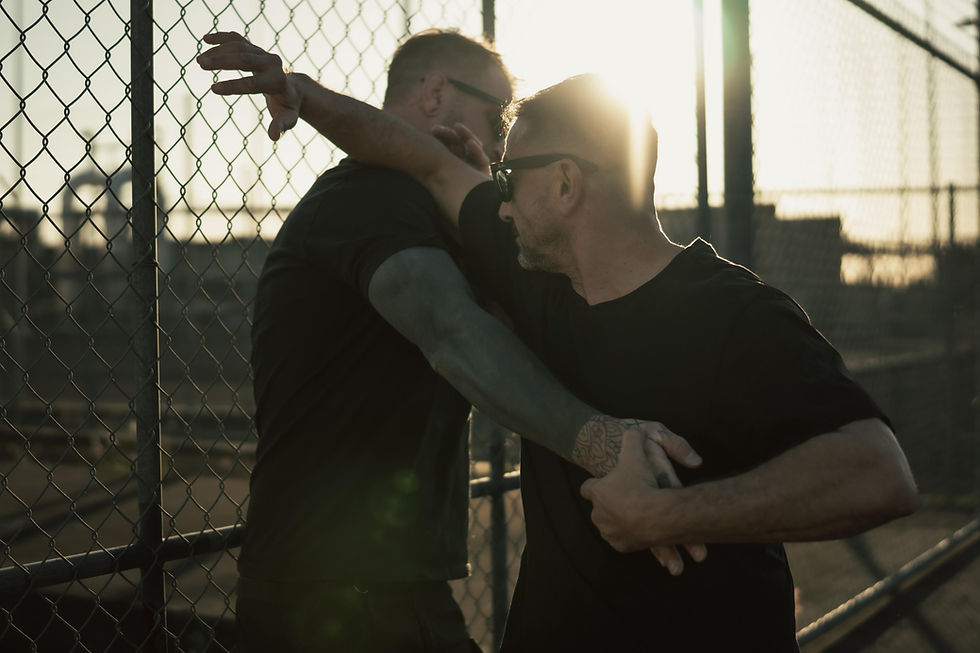
When it comes to personal safety, having the right mindset and skills can make all the difference. I’ve found that Krav Maga sharpens your situational awareness like no other training. It teaches you to read your environment, spot potential threats early, and make quick, decisive choices under pressure. Instead of relying on brute strength, Krav Maga focuses on staying alert, recognising danger before it happens, and using smart tactics to stay safe. Over time, you’ll develop a heightened sense of awareness that becomes second nature - not just in training, but in everyday life. It’s about being proactive, prepared, and confident wherever you go.
Understanding the Importance of Situational Awareness
Situational awareness is the foundation of effective self-defence. It means being fully present and conscious of your surroundings at all times. This skill allows you to identify potential threats before they escalate. For example, if you notice someone acting suspiciously or following you, you can take steps to avoid confrontation or seek help.
To improve your situational awareness:
Scan your environment regularly: Look around every few seconds, especially in unfamiliar places.
Trust your instincts: If something feels off, it probably is.
Limit distractions: Avoid using your phone or wearing headphones in situations where you need to stay alert.
By practising these habits, you’ll be better equipped to recognise danger early and respond effectively.

Essential Self-Defence Skills Everyone Should Know
Learning practical self-defence skills is crucial for protecting yourself. Here are some essential techniques and strategies that I recommend:
Basic Strikes and Blocks
Knowing how to deliver quick, effective strikes to vulnerable areas like the eyes, throat, and groin can stop an attacker in their tracks. Equally important is learning how to block or deflect incoming attacks to minimise harm.
Escape Techniques
Sometimes the best defence is to get away. Techniques such as wrist releases, choke escapes, and ground defence moves help you break free from holds and create distance.
Use of Everyday Objects
Items like keys, pens, or bags can be improvised as defensive tools. Training to use these objects effectively can give you an advantage when unarmed.
Verbal De-escalation
Not every confrontation needs to turn physical. Learning how to use calm, assertive communication can defuse tense situations before they escalate.
Physical Fitness and Conditioning
Being physically fit improves your ability to react quickly and endure a confrontation if necessary. Regular exercise also boosts confidence and mental resilience.
By mastering these skills, you build a toolkit that prepares you for a variety of scenarios.
The Role of Mindset in Self-Defence Success
Physical skills alone are not enough. Your mindset plays a critical role in how effectively you can defend yourself. I’ve learned that confidence, decisiveness, and mental toughness are just as important as technique.
Stay calm under pressure: Panic can cloud your judgement. Practice breathing exercises and mental rehearsals to maintain composure.
Be assertive, not aggressive: Show that you are not an easy target without provoking unnecessary conflict.
Commit to your actions: Hesitation can be dangerous. Once you decide to act, do so with full commitment.
Developing the right mindset takes time and practice, but it’s essential for turning knowledge into action.

How Krav Maga Enhances Your Self-Defence Abilities
Krav Maga is unique because it combines practical techniques with a strong emphasis on situational awareness and mental preparedness. Unlike traditional martial arts that may focus on form or sport, Krav Maga is designed for real-world encounters.
Here’s how Krav Maga stands out:
Realistic training scenarios: You practice defending against common attacks like grabs, punches, and weapons in controlled but intense environments.
Focus on efficiency: Techniques are simple, direct, and designed to neutralise threats quickly.
Adaptability: Krav Maga teaches you to use whatever is at hand and to improvise when necessary.
Building confidence: Regular training boosts your self-esteem and reduces fear in threatening situations.
By integrating these elements, Krav Maga prepares you not just to survive, but to take control of dangerous situations.
Practical Tips to Stay Safe in Everyday Life
Self-defence is not just about fighting; it’s about prevention and smart choices. Here are some practical tips I follow to stay safe daily:
Plan your routes: Choose well-lit, populated paths when walking alone.
Keep your phone accessible: Have emergency contacts ready and know how to use safety apps.
Avoid risky behaviours: Limit alcohol consumption and stay aware of your limits.
Use the buddy system: Whenever possible, travel with someone you trust.
Learn local emergency numbers: Know how to quickly get help in your area.
Incorporating these habits into your routine reduces your risk and complements your self-defence skills.
Empower Yourself Through Consistent Training
The key to self-defence success is consistency. Regular training not only improves your skills but also reinforces your mindset and situational awareness. Whether you attend classes, practice drills at home, or engage in fitness routines, staying committed is essential.
At Krav Maga Precision Training, the goal is to empower individuals of all ages and fitness levels with practical self-defence skills. This approach fosters confidence and builds a strong sense of community. By training regularly, you become more prepared, proactive, and confident in your ability to protect yourself and those around you.
Remember, self-defence is a lifelong journey. The more you invest in your training, the more natural and effective your responses will become.
By embracing these essential self-defence skills and strategies, you take control of your personal safety. It’s not about fear but empowerment - knowing you have the tools and mindset to face challenges head-on. Stay alert, stay prepared, and stay confident wherever life takes you.


Comments